BT Prime Mover The Smart Solution for Efficient Material Handling and Warehouse Productivity
BT Prime Mover The Smart Solution for Efficient Material Handling and Warehouse Productivity

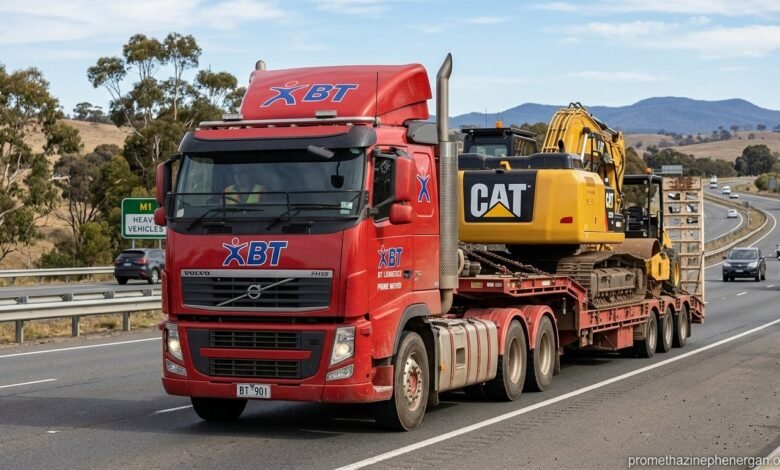
In today’s fast-paced logistics and industrial environments, efficiency is everything. Businesses are constantly searching for smarter ways to move goods quickly, safely, and cost-effectively. That’s where the BT prime mover comes in — a powerful and versatile solution designed to streamline material handling operations.
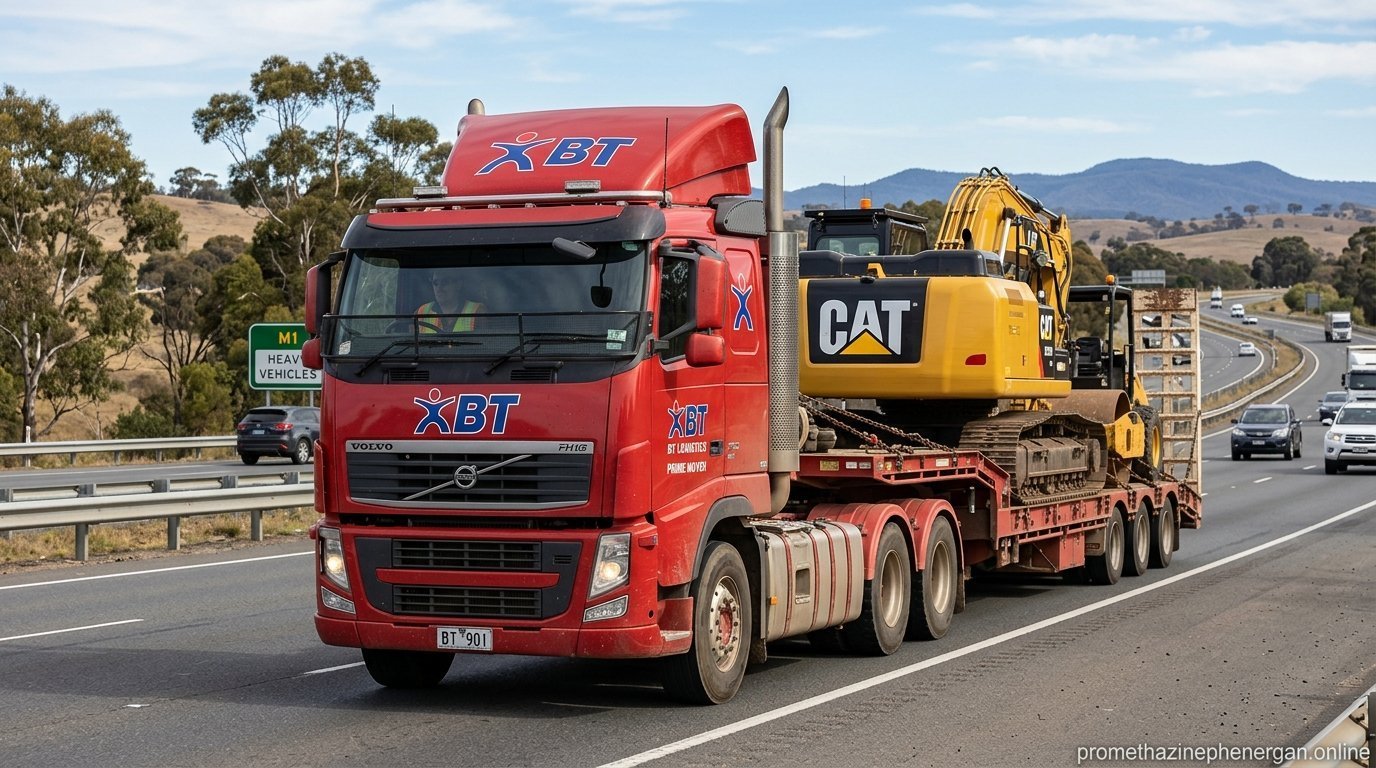
What Is a BT Prime Mover?
A BT prime mover is a type of electric-powered industrial vehicle used to transport heavy loads across short to medium distances. It is commonly used in warehouses, logistics hubs, and manufacturing facilities.
Unlike forklifts, which lift loads vertically, prime movers are designed to pull or carry loads horizontally, often using trailers or carts.
Key Functions:
- Transporting palletized goods
- Towing multiple loads at once
- Supporting order picking operations
- Improving internal logistics flow
Why Businesses Are Choosing Prime Movers
Modern businesses are under pressure to optimize operations while reducing costs. Prime movers offer a practical solution by combining efficiency, safety, and scalability.
Top Reasons for Adoption:
- Lower operational costs compared to traditional forklifts
- Energy efficiency with electric power systems
- Reduced labor effort through automation and ergonomics
- Improved workflow speed in warehouses
Key Features of a BT Prime Mover
1. Electric Power System
Most prime movers are battery-powered, making them environmentally friendly and cost-efficient.
Benefits:
- Zero emissions
- Lower fuel costs
- Quiet operation
2. Compact and Ergonomic Design
Prime movers are designed for easy maneuverability in tight warehouse spaces.
Advantages:
- Better navigation in narrow aisles
- Reduced operator fatigue
- Increased safety
3. High Load Capacity
Despite their compact size, prime movers can handle heavy loads efficiently.
Typical capabilities:
- Towing multiple carts simultaneously
- Handling high-volume transport tasks
- Supporting continuous operations
4. Advanced Safety Features
Safety is a critical factor in material handling operations.
Common safety features include:
- Automatic braking systems
- Anti-slip platforms
- Speed control mechanisms
- Emergency stop buttons
Applications of BT Prime Movers
Prime movers are highly versatile and can be used across various industries.
Common Use Cases:
Warehouse Operations
- Moving goods between storage zones
- Supporting picking and packing processes
Manufacturing Facilities
- Transporting raw materials
- Moving finished products across production lines
Retail Distribution Centers
- Handling high-volume inventory movement
- Streamlining supply chain logistics
Airports and Large Complexes
- Moving luggage or equipment efficiently
Benefits of Using a Prime Mover
1. Increased Productivity
Prime movers allow workers to move multiple loads in a single trip, significantly improving efficiency.
2. Reduced Operational Costs
Electric systems require less maintenance and eliminate fuel expenses.
3. Enhanced Workplace Safety
With built-in safety features, the risk of workplace accidents is minimized.
4. Scalability
Businesses can easily scale operations by adding more carts or units.
5. Eco-Friendly Operations
Electric-powered machines contribute to sustainable business practices.
Prime Mover vs. Forklift: What’s the Difference?
| Feature | Prime Mover | Forklift |
|---|---|---|
| Function | Horizontal transport | Lifting and stacking |
| Efficiency | High for bulk movement | Better for vertical storage |
| Cost | Lower operating cost | Higher maintenance cost |
| Safety | Safer for long distances | Higher risk in tight spaces |
Conclusion:
Prime movers are ideal for continuous horizontal transport, while forklifts are better for lifting tasks.
How to Choose the Right Prime Mover
Selecting the right equipment depends on your operational needs.
Consider the Following:
- Load capacity requirements
- Warehouse size and layout
- Battery life and charging time
- Frequency of use
- Safety features
Tips to Maximize Efficiency
To get the most out of your prime mover, follow these best practices:
- Train operators properly
- Schedule regular maintenance
- Optimize warehouse layout
- Use multiple carts for bulk transport
- Monitor performance metrics
The BT prime mover is more than just a piece of equipment — it’s a strategic investment in efficiency, safety, and cost savings. Whether you’re running a warehouse, managing a distribution center, or optimizing a production line, this solution can significantly improve your operations.
By integrating smart material handling systems like prime movers, businesses can stay competitive, reduce operational costs, and meet growing demand with confidence.
If you’re looking to upgrade your logistics operations, now is the perfect time to consider implementing a prime mover system.
FAQ:
1. What is a prime mover used for in warehouses?
A prime mover is used to transport goods horizontally, often towing multiple carts to improve efficiency in material handling operations.
2. Is a prime mover better than a forklift?
It depends on the task. Prime movers are better for transporting loads over distances, while forklifts are ideal for lifting and stacking.
3. Are electric prime movers cost-effective?
Yes, they reduce fuel costs, require less maintenance, and improve operational efficiency, making them highly cost-effective.
4. How much weight can a prime mover handle?
It varies by model, but many can tow several tons using multiple carts.
5. Do prime movers require special training?
Yes, operators should be trained to ensure safe and efficient use, especially in busy warehouse environments.